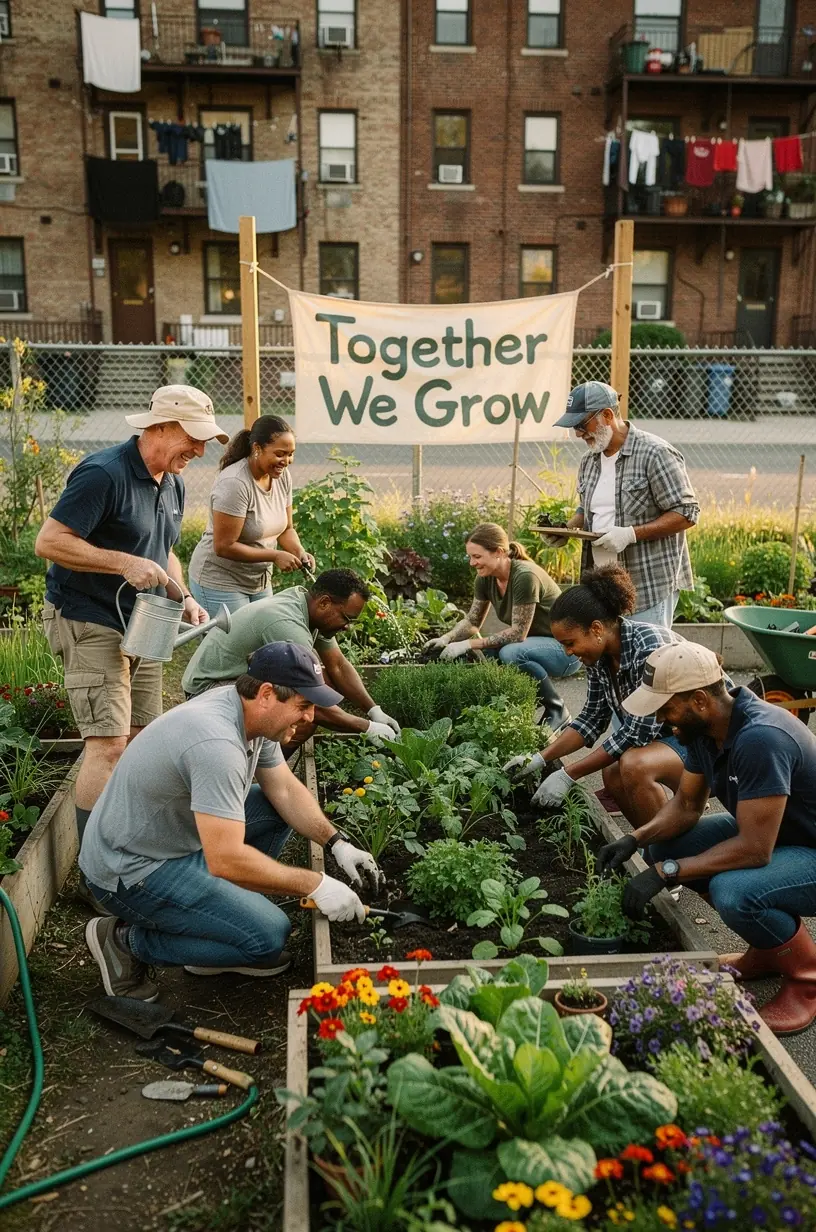
How Urban Gardening Benefits Community Health
Urban gardening is emerging as a practical solution to various community health challenges in Canada. This article explores how urban gardening can enhance community well-being and provide actionable insights for those looking to implement these initiatives.
Understanding the Basics of Urban Gardening
Urban gardening typically refers to growing food in urban spaces, utilizing available land such as rooftops, balconies, and community lots. According to research, engaging in urban gardening can improve access to fresh produce, which is essential for a balanced diet. Experts recommend that incorporating local food sources can lead to healthier eating habits and reduced rates of diet-related diseases.

"Urban gardening initiatives can lead to a significant increase in fruit and vegetable consumption, especially in food deserts." - Community Health Research Journal
The Health Benefits
Urban gardening can provide numerous health benefits for communities, including:
- Improved Nutrition: Studies show that individuals who grow their own food often consume more fruits and vegetables. This can play a crucial role in preventing obesity and related health issues.
- Mental Health Benefits: Gardening often leads to reduced stress and anxiety levels. Engaging with nature has been shown to improve overall mental well-being, as many users report feeling more relaxed and connected to their environment.
- Physical Activity: Gardening typically involves physical labor, which can enhance physical fitness. According to experts, even moderate gardening can contribute to meeting daily exercise guidelines.
Creating a Community Garden
Establishing a community garden typically requires collaboration and commitment. Here are steps to help guide the process:
- Gather Community Interest: Host informational meetings to gauge interest and gather ideas. This collaborative approach fosters a sense of ownership among participants.
- Identify Suitable Land: Look for available public or private land that can support a garden. Engage with local authorities to secure permissions and discuss any zoning regulations.
- Plan the Garden Layout: Design the garden to include a variety of plants, ensuring accessibility for all community members, including those with disabilities.
- Garden Maintenance: Establish a schedule for maintenance and involve all participants. Regular upkeep helps to foster responsibility and ensures the garden thrives.
Acknowledging Challenges
While urban gardening has numerous benefits, it is essential to acknowledge some challenges:
- Space Limitations: Urban areas often have limited space available for gardening, making it crucial to be creative in utilizing smaller plots.
- Time Commitment: Establishing and maintaining a garden requires time and dedication. Many users report that it becomes easier with a committed group of volunteers.
- Local Climate: Gardening success can vary based on climate conditions, and some regions may require specific plant types that can thrive in their environment.
Conclusion
Urban gardening represents an effective approach to improving community health by promoting access to fresh produce, enhancing mental well-being, and encouraging physical activity. While there are challenges involved, the potential benefits for community health and cohesion are substantial. By following a structured approach to establish and maintain community gardens, residents can contribute positively to their local environment and foster a healthier lifestyle.
Learn More