How Community Workshops Enhance Skill Sharing
Community workshops have emerged as a valuable avenue for skill sharing, fostering collaboration and learning within local neighborhoods. By examining their structure and impact, we can better understand how these workshops can facilitate personal and professional growth.
Understanding the Basics
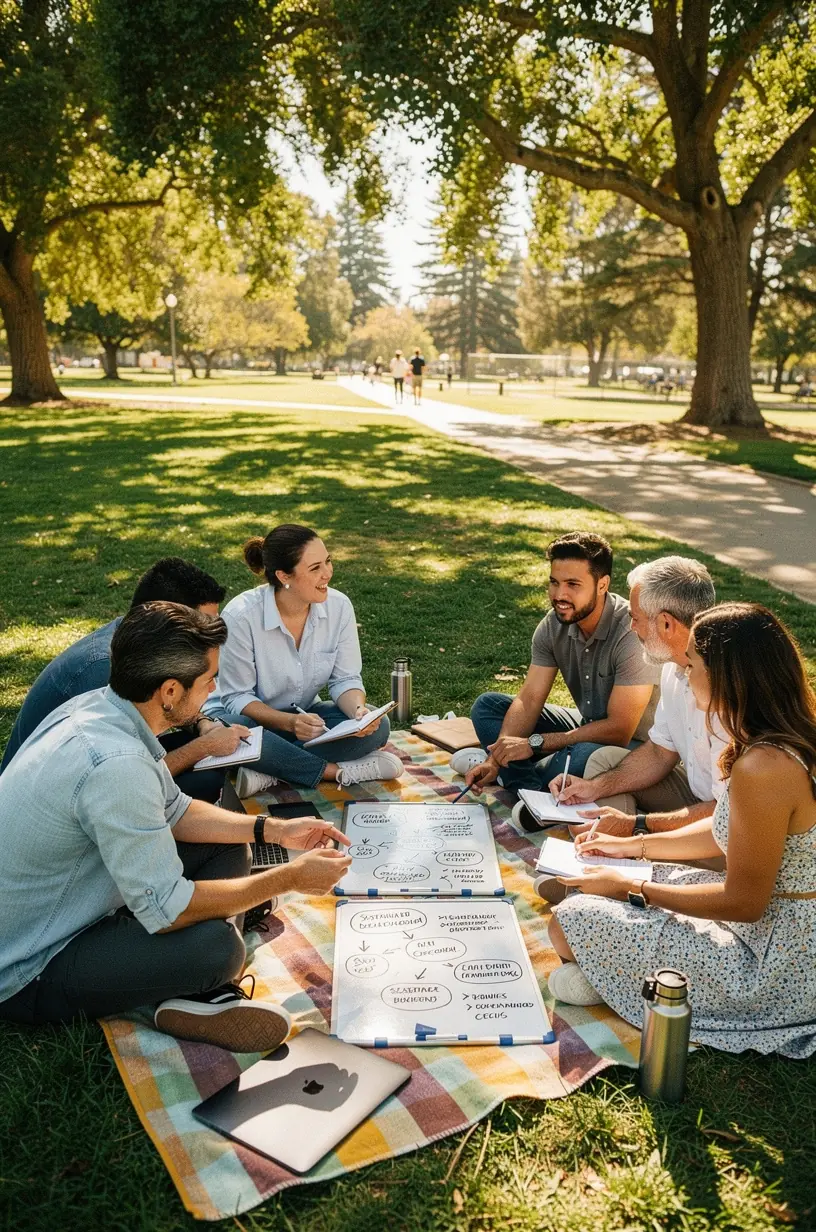
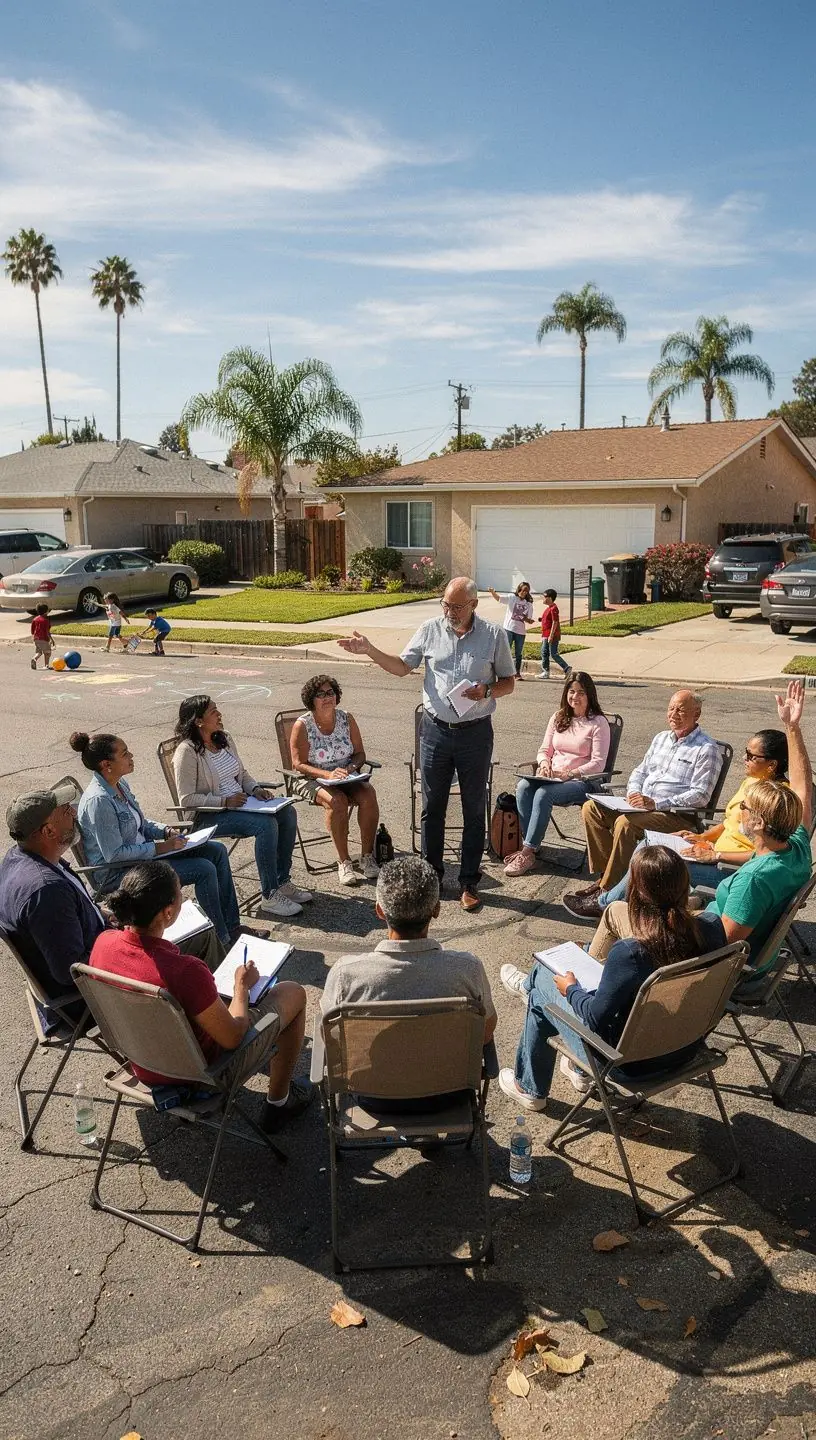
Community workshops typically involve individuals coming together to share expertise in various skills, from crafting to technology. According to research, these workshops not only promote skill sharing but also enhance social connections, which are essential for community development.

The principle behind community workshops is rooted in the idea of collaborative learning. Participants learn from each other through hands-on experiences, which can often be more effective than traditional learning methods. Studies show that peer-to-peer learning can lead to a deeper understanding of subjects, as participants actively engage in teaching and learning processes.
"Community workshops can create environments where both teaching and learning occur simultaneously, strengthening community ties." - Local Education Expert
Benefits of Community Workshops
Community workshops offer numerous benefits, including:
- Skill Development: Participants can acquire new skills and refine existing ones. Research indicates that hands-on learning can significantly enhance retention and mastery of new techniques.
- Networking Opportunities: These workshops create spaces for individuals to connect with like-minded people, often leading to collaborations that extend beyond the workshop.
- Building Confidence: Engaging in a supportive environment can boost participants' confidence in their abilities. Many users report feeling more empowered to pursue new interests after attending workshops.
Implementation Strategies
To effectively organize a community workshop, it’s important to consider several key factors:
- Identify the Skill: Assess community interests and needs to determine which skills would be most beneficial to share.
- Engage Facilitators: Recruit experienced individuals who can lead the workshops. Experts recommend selecting facilitators who are not only knowledgeable but also good communicators.
- Set Clear Objectives: Establish what participants can expect to learn and accomplish during the workshop. This helps set realistic expectations and encourages commitment.
- Promote Inclusivity: Ensure that workshops are accessible to all community members, regardless of their prior expertise or experience.
Acknowledging Limitations
While community workshops can be highly effective, they do require a commitment of time and effort. Typically, workshops may involve several sessions over a few weeks, requiring participants to dedicate time to practice and apply their newfound skills. Additionally, the effectiveness of these workshops can vary based on the participants' prior knowledge and engagement levels. It’s important to recognize that not everyone may find the same level of success or interest.
Conclusion
Community workshops serve as a powerful tool for skill sharing and personal development. By fostering an environment of collaboration and learning, they can strengthen community bonds and empower individuals. While it requires dedication and time, the benefits gained from participating in these workshops can be profound. As experts suggest, the investment in community skill-sharing initiatives not only enhances individual capabilities but also contributes to the overall health of the community.
Learn More